Monday, February 23, 2026

Government Sector Opportunities in Industry Clothing Jobs

 The apparel and textile sector plays a major role in economic development and employment generation. While many professionals focus on private companies and fashion brands, there are also strong opportunities in the public sector. Government sector opportunities in industry clothing jobs provide stability, structured career growth, and long-term benefits for skilled professionals.

From textile research to garment production units operated by public bodies, government organizations regularly recruit candidates for various roles in the clothing and apparel sector.

Why Choose Government Industry Clothing Jobs?

Government industry clothing jobs are attractive because they offer:

  • Job security and fixed salary structures

  • Pension and retirement benefits

  • Regulated working hours

  • Opportunities to work on national development projects

  • Exposure to public textile schemes and rural development programs

For candidates searching for stable career options in the apparel field, government jobs in the clothing and textile industry can be highly rewarding.

Popular Government Departments Offering Clothing Industry Roles

Several public sector departments and institutions create employment in this field:

  • Ministry-level textile and handloom departments

  • Government textile mills and garment production units

  • Skill development missions for apparel manufacturing

  • Public sector export promotion councils

  • Textile research and testing laboratories

These institutions regularly announce government industry clothing job vacancies for designers, production supervisors, quality inspectors, textile technologists, and merchandisers.

Types of Government Sector Industry Clothing Jobs

There are diverse career paths available in the public sector, such as:

1. Textile and Apparel Production Officer
Responsible for supervising garment production in government-supported manufacturing units.

2. Quality Control Inspector in Government Textile Units
Ensures fabric and garment quality as per national and export standards.

3. Government Clothing Industry Designer Roles
Designers working with handloom boards or state textile corporations to promote traditional crafts.

4. Textile Research and Development Officer
Engaged in fabric innovation, technical textiles, and sustainable clothing research.

5. Skill Development Trainer in Apparel Sector
Trains students and rural workers under government skill development schemes.

These government career opportunities in the clothing manufacturing industry allow professionals to contribute to policy implementation and rural employment programs.

Skills Required for Government Industry Clothing Jobs

To qualify for public sector roles, candidates must possess:

  • Strong technical knowledge of garment manufacturing processes

  • Understanding of fabric testing and quality standards

  • Knowledge of sustainable clothing production methods

  • Awareness of textile regulations and compliance norms

  • Basic computer and reporting skills

Many government clothing industry recruitment programs also require candidates to clear competitive examinations or interviews conducted by public service commissions.

Growth and Future Scope

The government is actively supporting initiatives such as textile parks, skill development missions, and export promotion schemes. As a result, demand for professionals in government apparel sector employment opportunities continues to grow.

With increasing focus on sustainable textiles, rural handloom promotion, and “Make in India” initiatives, public sector industry clothing jobs are expected to expand further in the coming years.

Conclusion

Government sector opportunities in industry clothing jobs provide a stable and respected career path for textile and apparel professionals. Whether you are looking for government jobs in garment manufacturing, public sector textile design roles, or clothing industry quality control positions, the public sector offers structured growth and long-term benefits.

For individuals seeking security, professional recognition, and the opportunity to contribute to national textile development, government industry clothing jobs are an excellent career choice.

Textile Skills That Employers Look for in Job Interviews

 The textile industry is becoming more competitive and technology-driven each year. Employers are not only looking for academic qualifications but also practical textile skills that match current industry requirements. Whether you are preparing for a textile job interview or applying for a textile job vacancy, understanding what recruiters expect can give you a strong advantage.

1. Strong Technical Knowledge

One of the most important textile skills employers evaluate during interviews is technical knowledge. Candidates must have a clear understanding of fibers, yarn formation, fabric construction, dyeing, printing, and finishing processes.

Recruiters often ask practical questions related to spinning, weaving, knitting, or garment manufacturing to assess real-world knowledge. For any textile job in production or quality control, hands-on experience with machinery and manufacturing processes is highly valued.

2. Fabric and Quality Analysis Skills

Quality is a top priority in the textile sector. Employers prefer candidates who understand fabric testing methods, defect identification, and quality standards. During interviews, applicants may be asked about GSM calculation, shrinkage testing, color fastness, and inspection procedures.

Having strong analytical textile skills increases your chances of securing a textile job vacancy in export houses, mills, and manufacturing companies.

3. Design and Creativity Skills

For candidates applying to textile designer jobs, creativity is essential. Employers look for individuals who understand color theory, pattern development, fabric styling, and market trends. Knowledge of design software such as CAD is often a major advantage.

Recruiters may ask to review portfolios or previous projects to evaluate creative textile skills and originality.

4. Knowledge of Modern Technology

With automation and digital transformation in the industry, employers expect candidates to be familiar with modern machinery and software systems. Knowledge of ERP systems, digital textile printing, and automated production lines can set you apart from other applicants.

In technical textile job roles, awareness of smart textiles and innovative fabric technologies is an added advantage.

5. Understanding of Sustainability

Sustainable production is becoming a key focus worldwide. Employers look for candidates who understand eco-friendly fibers, waste reduction techniques, and energy-efficient production methods. Awareness of environmental regulations and compliance standards reflects responsible textile skills.

Professionals who demonstrate knowledge of sustainable practices are often preferred for long-term textile job opportunities.

6. Communication and Teamwork

Apart from technical expertise, soft skills are equally important. Employers assess communication, problem-solving, and teamwork abilities during interviews. In a textile job environment, professionals must coordinate with production teams, suppliers, and designers.

Clear communication and leadership abilities are especially important for supervisory and managerial positions.

7. Practical Experience and Internship Exposure

Employers value candidates who have completed internships or industrial training. Practical exposure helps demonstrate applied textile skills rather than just theoretical knowledge. Sharing real project experiences during interviews can create a positive impression.

Conclusion

Employers in the modern textile industry look for a balanced combination of technical knowledge, creative ability, digital awareness, and soft skills. Whether you are applying for textile designer jobs or preparing for a textile job vacancy in manufacturing, strengthening your textile skills is essential for success.

Continuous learning, hands-on training, and staying updated with industry trends will help you stand out in interviews and secure a rewarding textile job in today’s competitive market.

Friday, February 20, 2026

Job of a Fashion Designer in Sustainable Fashion Industry

 The job of a fashion designer in the sustainable fashion industry is evolving rapidly as brands and consumers become more environmentally conscious. Today, designers are not only responsible for creating stylish garments but also for ensuring that their designs minimize environmental impact and promote ethical production practices.

Understanding Sustainable Fashion

Sustainable fashion focuses on reducing waste, using eco-friendly materials, and supporting ethical labor practices. In this sector, the job of a fashion designer goes beyond creativity. Designers must understand fabric sourcing, sustainable production methods, and the overall lifecycle of a garment.

Key Responsibilities

  1. Eco-Friendly Material Selection
    Designers choose organic, recycled, or biodegradable fabrics. Materials like organic cotton, bamboo fiber, and recycled polyester are commonly used to reduce environmental impact.

  2. Sustainable Design Planning
    The job of a fashion designer includes creating designs that reduce fabric waste through smart pattern making and zero-waste techniques.

  3. Ethical Production Coordination
    Designers often collaborate with manufacturers who follow fair trade and ethical labor standards.

  4. Lifecycle Awareness
    Sustainable designers consider how garments will be used, reused, or recycled after their life cycle ends.

  5. Innovation and Research
    Researching new sustainable textiles and production technologies is an important part of the role.

Skills Required

To succeed in the sustainable fashion industry, a designer must have:

  • Strong creative and sketching skills

  • Knowledge of sustainable textiles

  • Awareness of global environmental issues

  • Understanding of ethical sourcing and production

  • Problem-solving ability for waste reduction

Career Opportunities

The demand for sustainable fashion is increasing worldwide. Designers can work with eco-conscious brands, start their own sustainable label, or collaborate with export houses focusing on green manufacturing. Many global fashion brands are now investing in sustainable collections, opening new career paths.

Salary and Growth Scope

While entry-level salaries may be similar to traditional fashion roles, designers specializing in sustainability often experience strong career growth due to rising demand. With experience, they can move into roles such as sustainable design consultant, product developer, or creative head.

Future Scope

The future of the sustainable fashion industry looks promising as consumers continue to prefer ethical and eco-friendly products. The job of a fashion designer in this field will become even more important in shaping responsible fashion trends.

Conclusion

The job of a fashion designer in the sustainable fashion industry combines creativity with responsibility. Designers today must balance aesthetics with environmental awareness, making sustainability a core part of their professional journey. As the industry shifts toward greener practices, sustainable fashion design offers meaningful career growth and long-term opportunities.

Tips for Fresh Graduates Entering Clothing Design Careers

 Starting a journey in clothing design careers can be exciting and challenging at the same time. The fashion and apparel industry offers creative satisfaction, but it also demands dedication, practical skills, and continuous learning. For fresh graduates, understanding how to enter the industry strategically can make a big difference in securing clothing designer jobs and building long-term success.

Here are some practical tips to help you begin your professional journey with confidence.

1. Build a Strong and Professional Portfolio

Your portfolio is your identity in clothing design careers. Employers look for originality, creativity, and technical knowledge. Include:

  • Sketches and illustrations

  • Fabric swatches and mood boards

  • Garment construction samples

  • Photos of completed designs

Keep your portfolio clean, organized, and focused on quality rather than quantity. A strong portfolio increases your chances of getting shortlisted for clothing designer jobs.

2. Start with Internships or Entry-Level Roles

Many graduates expect senior roles immediately, but starting small is important. Apply for internships or assistant designer positions to gain real industry exposure.

An entry-level cloth designer job may involve assisting senior designers, coordinating with production teams, or preparing basic design layouts. These experiences help you understand deadlines, teamwork, and production challenges.

3. Understand the Industry Beyond Design

Clothing design careers are not only about sketching. You must understand:

  • Fabric types and properties

  • Garment construction techniques

  • Production processes

  • Market trends and consumer preferences

Knowledge of the business side of fashion helps you perform better in clothing designer jobs and communicate effectively with manufacturers and buyers.

4. Develop Technical and Digital Skills

Today’s fashion industry uses digital tools for designing and production planning. Learning design software, technical drawing, and pattern-making techniques will give you an advantage in a competitive job market.

Employers prefer candidates who can combine creativity with technical accuracy in a cloth designer job.

5. Stay Updated with Fashion Trends

Trends change quickly in the fashion world. Follow fashion shows, read industry magazines, and observe market preferences. Understanding current trends helps you create designs that are both creative and market-ready.

This awareness increases your chances of growth in clothing design careers.

6. Network and Build Industry Connections

Networking plays a major role in securing clothing designer jobs. Attend fashion events, connect with professionals on social platforms, and stay in touch with mentors and classmates.

Strong industry connections often lead to job referrals and freelance opportunities.

7. Be Patient and Keep Learning

Success in clothing design careers does not happen overnight. Be open to feedback, learn from mistakes, and continue improving your skills. Every cloth designer job experience adds value to your career growth.

Conclusion

Entering clothing design careers as a fresh graduate requires preparation, persistence, and passion. By building a strong portfolio, gaining practical experience, upgrading technical skills, and staying connected with the industry, you can increase your chances of securing clothing designer jobs.

Start with small opportunities, keep learning, and gradually move toward your dream role in the fashion industry. With dedication and creativity, a rewarding career in clothing design is well within reach.

Thursday, February 19, 2026

How Indian Textile Manufacturers Support Garment Exporters

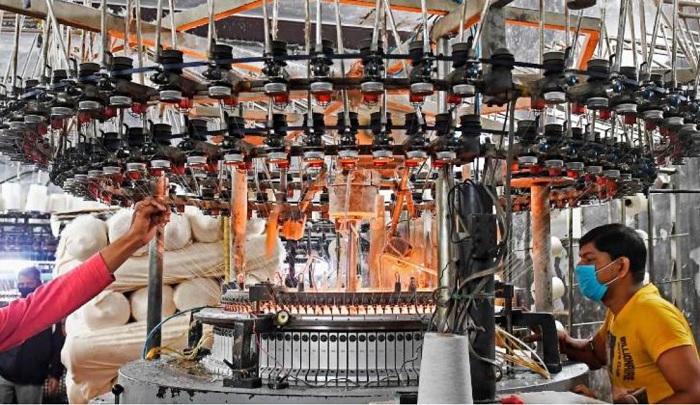
                   https://www.suntech-machine.com/uploads/20210526-1.jpg 

India is one of the leading textile and apparel exporters in the world. Behind every successful garment shipment lies a strong supply chain that begins with fabric production. Indian Textile Manufacturers play a vital role in supporting garment exporters by providing quality fabrics, timely delivery, and competitive pricing. Their contribution strengthens both Garment Manufacturing India and the overall Textile Industry India.

Strong Raw Material Supply

A reliable supply of raw materials is the foundation of successful garment exports. A well-equipped Textile Factory in India ensures continuous production of cotton, silk, wool, and synthetic fabrics. By maintaining consistent quality and volume, manufacturers help garment exporters meet bulk international orders without delays.

Indian Textile Manufacturers also offer a wide range of fabric types, including woven, knitted, dyed, printed, and finished materials. This variety allows garment exporters to cater to different international markets.

Quality Assurance and Standards

Global buyers expect high standards in fabric quality. Indian Textile Manufacturers follow strict quality control processes at every stage of production, from fiber selection to finishing. This ensures durability, color consistency, and proper fabric strength.

For Garment Manufacturing India, high-quality fabric reduces rejection rates and improves customer satisfaction. Many Textile Factory in India units comply with international certifications and testing standards, which builds trust with global brands.

Timely Delivery and Production Efficiency

In export markets, meeting deadlines is crucial. Delays can lead to financial losses and damaged relationships. Efficient production planning within the Textile Industry India ensures timely delivery of fabric to garment units.

Indian Textile Manufacturers use modern machinery and organized supply chain systems to maintain production schedules. This smooth coordination supports garment exporters in fulfilling orders on time.

Competitive Pricing Advantage

Cost plays an important role in global trade. Indian Textile Manufacturers benefit from skilled labor, strong raw material availability, and established infrastructure. This allows them to offer competitive pricing without compromising quality.

For Garment Manufacturing India, affordable fabric sourcing helps maintain profit margins while staying competitive in international markets.

Innovation and Customization

International buyers often demand customized fabrics, special finishes, and sustainable materials. A progressive Textile Factory in India focuses on innovation and product development to meet these needs.

From eco-friendly fabrics to performance-based textiles, Indian Textile Manufacturers are adapting to global trends. This flexibility helps garment exporters secure repeat orders and expand into new markets.

Strengthening the Textile Industry India

The collaboration between fabric producers and garment exporters creates a strong ecosystem. When Indian Textile Manufacturers supply reliable and high-quality materials, garment exporters can confidently target global buyers.

This partnership strengthens the overall Textile Industry India, increases foreign exchange earnings, and generates employment across the country.

Conclusion

Indian Textile Manufacturers are the backbone of India’s garment export sector. Through quality production, timely supply, competitive pricing, and innovation, they provide essential support to Garment Manufacturing India. A well-managed Textile Factory in India ensures consistent fabric availability, helping exporters meet global standards and deadlines.

Together, this strong connection between fabric production and garment exports continues to drive growth in the Textile Industry India and enhances India’s position in the global market.

Textile Technologist in Technical Textiles: Emerging Career Options

                    https://www.expertmarketresearch.com/files/images/top-medical-textiles-companies.webp 

The textile industry is no longer limited to fashion and apparel. Technical textiles have opened new doors in sectors such as healthcare, automotive, construction, defense, sports, and agriculture. In this fast-growing segment, the role of a textile technologist has become more important than ever. With advanced materials and performance-based fabrics in demand, professionals are finding exciting opportunities in every Technical Textile Job segment.


Understanding Technical Textiles

Technical textiles are specially designed fabrics made for functional purposes rather than appearance. These textiles focus on durability, strength, protection, filtration, insulation, and performance.

Examples include:

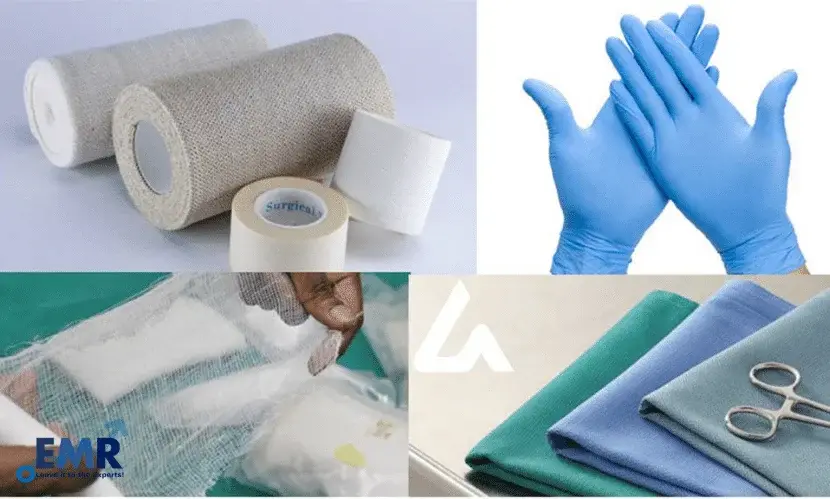
  • Medical textiles like surgical gowns and masks

  • Automotive seat fabrics and airbags

  • Geotextiles used in road construction

  • Protective clothing for industrial workers

This growing demand has created a wide range of textile job opportunities for skilled professionals.


Role of a Textile Technologist in Technical Textiles

A textile technologist plays a key role in developing, testing, and improving technical fabrics. Their responsibilities go beyond traditional textile production and include:

  • Research and development of performance fabrics

  • Testing material strength and durability

  • Ensuring compliance with industry standards

  • Improving production processes

  • Coordinating with engineers and production teams

In a Technical Textile Job, precision and technical knowledge are essential. A textile technologist must understand fiber properties, chemical treatments, finishing techniques, and modern manufacturing systems.


Emerging Career Options

Technical textiles have created new career paths that were not common earlier. Some emerging roles include:

  • Product Development Technologist

  • Quality Assurance Manager

  • R&D Specialist

  • Process Improvement Executive

  • Technical Sales Executive for industrial fabrics

These positions offer stable and long-term growth. Many companies now prefer hiring skilled professionals for specialized textile job roles in medical, automotive, and infrastructure sectors.


Difference from Traditional Textile Roles

Unlike textile designer jobs, which focus mainly on creativity and aesthetics, the role of a textile technologist in technical textiles is more performance-driven. While designers create patterns and styles, technologists ensure the fabric performs according to required standards.

Both roles are important in the textile industry, but technical textiles demand deeper scientific and process knowledge.


Skills Required

To succeed in this field, a textile technologist should have:

  • Strong knowledge of fiber science and fabric construction

  • Understanding of testing standards and quality control

  • Problem-solving ability

  • Familiarity with modern machinery

  • Good communication and teamwork skills

Continuous learning is important because technical textiles are constantly evolving with new materials and applications.


Future Scope and Growth

The demand for Technical Textile Job roles is increasing worldwide due to infrastructure development, healthcare expansion, and industrial growth. Governments are also supporting the technical textile sector through various initiatives.

For anyone seeking a stable and progressive textile job, this field offers promising opportunities. With the right qualifications and practical experience, a textile technologist can build a rewarding career in both India and international markets.

Monday, February 16, 2026

Industry Clothing Jobs in Sustainable Fashion Brands

 The global fashion industry is shifting toward eco-friendly and ethical practices, creating new opportunities across the sector. As consumers demand transparency and sustainability, industry clothing jobs in sustainable fashion brands are growing rapidly. From ethical sourcing to green production processes, these brands are redefining how fashion businesses operate. This transformation is opening doors for professionals seeking meaningful and future-focused careers.

Rising Demand for Sustainable Jobs in Clothing Industry

Sustainable fashion brands focus on reducing environmental impact by using organic fabrics, recycled materials, water-saving dyeing methods, and ethical labor practices. As a result, jobs in clothing industry are no longer limited to traditional manufacturing roles. Today, companies require skilled professionals who understand sustainability standards, supply chain transparency, and responsible production management.

Industry clothing jobs in sustainable brands include roles such as production coordinator, quality control executive, sourcing manager, sustainability analyst, merchandiser, and retail planner. These positions ensure that fashion products meet both market demands and environmental guidelines.

Key Roles in Sustainable Fashion Brands

Professionals working in industry clothing jobs contribute to various stages of the production cycle:

  • Sourcing Specialists ensure fabrics are eco-certified and ethically produced.

  • Production Managers monitor waste reduction and energy-efficient processes.

  • Quality Control Executives verify compliance with sustainability standards.

  • Merchandisers balance cost, design, and environmental impact.

  • Retail Managers promote sustainable collections to conscious consumers.

These jobs in clothing industry require a combination of technical knowledge, market awareness, and commitment to responsible business practices.

Preparing for a Clothes Job Interview in Sustainable Brands

Securing industry clothing jobs in sustainable fashion brands requires proper preparation. During a clothes job interview, candidates should demonstrate knowledge of eco-friendly materials, sustainable certifications, and ethical sourcing practices. Employers often look for professionals who understand current sustainability trends and can contribute innovative ideas.

Highlighting internships, projects, or certifications related to sustainable fashion can improve your chances of success. Communication skills, problem-solving abilities, and awareness of environmental challenges are key factors recruiters evaluate in a clothes job interview.

Skills Required for Success

To build a strong career in industry clothing jobs within sustainable brands, professionals should develop:

  • Knowledge of organic and recycled textiles

  • Understanding of ethical supply chains

  • Production planning and cost management skills

  • Awareness of environmental regulations

  • Strong communication and teamwork abilities

Continuous learning is important because sustainability standards evolve frequently in the global fashion market.

Future Scope of Industry Clothing Jobs

The demand for jobs in clothing industry related to sustainability will continue to rise as governments and global organizations push for greener production methods. Sustainable brands are expanding internationally, increasing employment opportunities across production, merchandising, marketing, and management roles.

Industry clothing jobs in this segment offer not only financial stability but also the satisfaction of contributing to a positive environmental impact.

Conclusion

Industry clothing jobs in sustainable fashion brands represent the future of the fashion sector. With increasing awareness and demand for ethical fashion, jobs in clothing industry are becoming more specialized and responsible. By preparing well for a clothes job interview and developing sustainability-focused skills, professionals can secure rewarding positions and build long-term careers in this growing field.

Saturday, February 14, 2026

Key Challenges Faced by Textile Products Manufacturers in 2026

The global textile industry continues to evolve rapidly, driven by technological innovation, sustainability demands, and shifting consumer preferences. Textile Products Manufacturers are at the center of this transformation. While the industry offers strong growth potential, 2026 presents several complex challenges that manufacturers must navigate carefully to remain competitive and profitable.

This article explores the key challenges affecting Textile Products Manufacturers in 2026 and how businesses can respond strategically.

1. Rising Raw Material Costs

One of the biggest concerns for Textile Products Manufacturers is the increasing cost of raw materials such as cotton, polyester, silk, and specialty fibers. Climate change, supply chain disruptions, and geopolitical uncertainties have created fluctuations in raw material availability and pricing.

Manufacturers must:

  • Diversify sourcing networks

  • Invest in alternative fibers

  • Strengthen supplier relationships

  • Improve inventory forecasting

Cost volatility directly impacts profit margins, especially for export-oriented businesses.

2. Sustainability and Environmental Regulations

Environmental compliance is no longer optional. Governments worldwide are tightening regulations on water usage, chemical processing, carbon emissions, and waste management.

Textile Products Manufacturers now face:

  • Strict wastewater treatment norms

  • Mandatory sustainability certifications

  • Demand for eco-friendly fabrics

  • Pressure to reduce carbon footprints

Meeting sustainability goals requires investment in green technology, energy-efficient machinery, and responsible sourcing practices. Although these investments increase short-term costs, they are essential for long-term brand credibility and market access.

3. Supply Chain Disruptions

Global supply chains remain vulnerable to disruptions caused by transportation delays, port congestion, trade restrictions, and geopolitical conflicts. For Textile Products Manufacturers, delays in receiving raw materials or shipping finished goods can severely affect production timelines.

To overcome this, manufacturers are:

  • Adopting nearshoring strategies

  • Building stronger regional supply chains

  • Using digital tracking systems

  • Increasing safety stock levels

Resilient supply chains are becoming a competitive advantage in 2026.

4. Labor Shortages and Skill Gaps

The textile industry relies heavily on skilled labor, including designers, machine operators, quality inspectors, and technical experts. However, many regions are experiencing labor shortages and skill gaps.

Challenges include:

  • Rising wage demands

  • Limited availability of skilled workers

  • Need for upskilling in digital tools and automation

Textile Products Manufacturers must invest in workforce training, automation, and employee retention strategies to maintain productivity.

5. Technological Adaptation and Automation Costs

Industry 4.0 technologies such as AI-driven quality control, automated cutting machines, digital printing, and smart inventory systems are transforming textile production. However, adopting these technologies requires significant capital investment.

Smaller Textile Products Manufacturers may struggle with:

  • High implementation costs

  • Integration issues with legacy systems

  • Cybersecurity risks

Despite these hurdles, digital transformation is crucial for maintaining efficiency, accuracy, and global competitiveness.

6. Intense Global Competition

The textile market is highly competitive, with manufacturers from countries like China, India, Bangladesh, Vietnam, and Turkey competing aggressively on price and quality.

Textile Products Manufacturers must differentiate themselves through:

  • Superior product quality

  • Customization capabilities

  • Faster turnaround times

  • Sustainable production practices

  • Strong branding and marketing

Competing solely on price is no longer a sustainable strategy.

7. Changing Consumer Preferences

Modern consumers are more conscious about sustainability, ethical production, and product transparency. They demand traceable supply chains, eco-friendly fabrics, and fair labor practices.

Manufacturers must:

  • Offer certified sustainable products

  • Maintain transparency in sourcing

  • Adapt quickly to fashion trends

  • Produce smaller, flexible production runs

Agility has become essential in responding to fast-changing market trends.

8. Currency Fluctuations and Trade Policies

For export-driven Textile Products Manufacturers, exchange rate volatility and changing trade agreements directly affect profitability. Import duties, anti-dumping policies, and tariff changes create uncertainty in international markets.

Financial risk management and diversified export markets are key strategies to reduce dependency on a single region.

Conclusion

In 2026, Textile Products Manufacturers face a complex mix of economic, technological, environmental, and competitive challenges. Rising costs, sustainability pressures, supply chain instability, and digital transformation are reshaping the industry landscape.

However, manufacturers that embrace innovation, invest in sustainable practices, strengthen supply chain resilience, and focus on quality and agility will not only survive but thrive in this evolving market.

Tuesday, February 10, 2026

How to Prepare for a Technical Textile Job After Graduation

 Entering the textile industry after graduation can feel overwhelming, especially with the rise of automation, sustainability trends, and advanced materials. However, preparing for a Technical Textile Job becomes much easier when you understand the skills, training, and industry exposure needed to stand out. Whether you aim to become a textile technologist, join fabric industry jobs, or explore creative roles like textile designer jobs, strategic preparation can open strong career pathways.

1. Build Strong Technical Fundamentals

A solid foundation in fiber science, yarn manufacturing, fabric formation, and finishing processes is essential. Technical textile roles demand deeper understanding of performance textiles, smart materials, geotextiles, medical textiles, filtration fabrics, and functional materials.
Graduates should revise key concepts, stay updated with new technologies, and gain hands-on exposure through lab work or internships.

2. Learn Industry-Relevant Software and Tools

Many technical textile companies rely on digital tools for design, simulation, and production. Learning software such as CAD for textiles, textile testing systems, and process-monitoring tools will give you a competitive edge.
For textile designer jobs, mastering CAD, digital printing tools, and design visualization software is increasingly important.

3. Gain Practical Experience Through Internships

Internships provide real-world exposure that theory alone cannot offer. Students aiming for fabric industry jobs or technical roles should seek internships in weaving units, spinning mills, processing houses, or technical textile divisions. This experience helps you understand industrial machinery, production workflows, and quality standards.

4. Develop Problem-Solving and Analytical Skills

Technical textile companies prefer graduates who can analyze data, troubleshoot machinery, and make process improvements. A Technical Textile Job often requires interpreting test reports, optimizing parameters, and ensuring product performance. Strengthening your analytical skills makes you a valuable asset from day one.

5. Stay Updated With Industry Trends

The textile sector is evolving with innovations such as smart textiles, sustainable materials, eco-friendly processes, and nanotechnology. Reading industry journals, joining textile associations, attending webinars, and following technical textile companies helps you stay future-ready.

6. Build a Strong Portfolio

If you’re preparing for textile designer jobs, a well-structured design portfolio showcasing sketches, digital designs, fabric swatches, and project work is essential.
For technical roles, you can create a portfolio of academic projects, lab work, case studies, and internship activities that highlight your technical strengths.

7. Improve Soft Skills and Communication

Technical knowledge is important, but communication, teamwork, and presentation skills are equally valuable. Whether you're applying for fabric industry jobs or a specialization-focused Technical Textile Job, you’ll often work in cross-functional teams and interact with production staff, managers, and clients.

8. Get Certifications and Specialized Training

Short-term certifications in textile testing, quality assurance, digital textile printing, sustainability, or technical textile applications can significantly boost your resume.
Specialized programs are especially beneficial for graduates aiming to become a textile technologist or technical supervisor.

9. Prepare for Interviews with Industry Knowledge

Interviewers often ask questions about machinery, processes, defects, quality standards, and current industry challenges. Reviewing common interview questions and practicing responses will help you confidently approach job applications.

Conclusion

Preparing for a Technical Textile Job after graduation requires a mix of technical knowledge, practical exposure, digital skills, and continuous learning. Whether you aim for fabric industry jobs, creative textile designer jobs, or aspire to become a skilled textile technologist, building these competencies will help you start a successful career in the fast-evolving world of technical textiles.

Saturday, February 7, 2026

How to Start a Successful Career in Textile Technology

 The textile industry is evolving rapidly with advancements in automation, sustainable manufacturing, and smart fabrics. As a result, textile technology careers are becoming more diverse, technical, and future-oriented. For students, fresh graduates, and professionals, textile technology offers stable career paths with opportunities across production, design, engineering, and management.

This guide explains how to start and grow a successful career in textile technology, step by step.

Understanding Textile Technology Careers

Textile technology combines engineering principles with fabric manufacturing, processing, and quality control. Professionals in this field work with fibers, yarns, fabrics, machinery, and production systems. Textile technology careers are available in spinning mills, weaving units, garment factories, export houses, and research organizations.

Common roles include production executive, quality analyst, textile technologist, merchandiser, and design-related positions such as job designer textile roles.

Educational Pathway to Enter Textile Technology

The first step toward a career in textile technology is acquiring the right education. Students can pursue:

  • Diploma in Textile Technology

  • Bachelor’s degree in Textile Technology or Textile Engineering

  • Specialized certifications in weaving, processing, or garment technology

These qualifications open doors to various textile engineering jobs, especially in manufacturing and technical departments.

Entry-Level Opportunities for Freshers

A fresher textile job usually starts with hands-on exposure to machines, processes, and quality systems. Entry-level positions include trainee engineer, junior technologist, quality checker, or production assistant. Freshers willing to learn shop-floor operations gain valuable experience early in their careers.

Departments such as spinning, processing, and weaving jobs are ideal starting points because they provide strong technical foundations and practical knowledge.

Developing Practical and Technical Skills

To build a successful career, technical knowledge alone is not enough. Employers seek professionals who can:

  • Operate and monitor modern textile machinery

  • Understand fabric structures, defects, and testing methods

  • Use production planning and quality management tools

  • Adapt to automation and digital textile systems

For those interested in creative roles like job designer textile, skills in fabric selection, pattern understanding, CAD tools, and trend awareness are essential.

Career Growth in Textile Engineering and Design

With experience, professionals can move into senior textile engineering jobs such as production manager, process head, quality manager, or technical consultant. Others may shift toward merchandising, product development, or textile sales roles.

Textile technology also supports careers in innovation-driven areas like sustainable textiles, technical textiles, and smart fabrics, making it a future-ready profession.

Tips to Succeed in the Textile Industry

  • Start with a strong technical foundation

  • Gain practical exposure early through internships or training

  • Stay updated with automation and industry trends

  • Develop communication and problem-solving skills

  • Be flexible in accepting initial roles, especially as a fresher

Consistency and continuous learning play a major role in long-term success.

Conclusion

Starting a successful career in textile technology requires the right mix of education, practical skills, and adaptability. With growing demand for skilled professionals, textile technology careers offer stability, growth, and diverse opportunities. Whether beginning with a fresher textile job, exploring weaving jobs, or aiming for advanced textile engineering jobs, the textile industry provides a strong platform for a rewarding career.

Friday, February 6, 2026

Clothing Design Careers in Apparel Manufacturing and Fashion Brands

Apparel manufacturing companies play a vital role in transforming design concepts into finished garments. An apparel design career in manufacturing focuses on fabric selection, garment construction, pattern development, and coordination with production teams. Designers working in this environment gain hands-on experience with large-scale production processes and quality standards.

Roles in Fashion Brands and Designer Labels

Fashion brands offer diverse clothing designer jobs that involve trend research, collection development, and brand-specific styling. A cloth designer job in a fashion brand often requires balancing creativity with market demand, ensuring designs align with brand identity and customer preferences.

Merchandising and Coordination Roles

Beyond design-focused positions, roles such as apparel merchandiser are essential in the fashion supply chain. Merchandisers bridge the gap between designers, manufacturers, and buyers by managing timelines, cost efficiency, and product quality. These positions are ideal for professionals who enjoy both creative and business-oriented responsibilities.

Industry Clothing Jobs and Career Growth

The fashion sector offers numerous industry clothing jobs, including design assistants, product developers, and production coordinators. These roles provide valuable exposure to market trends, international buyers, and operational workflows. With experience, professionals can advance into leadership or specialized design positions.

Skills Required for Success

To succeed in clothing design careers, professionals must combine creative skills with technical knowledge. Proficiency in garment construction, digital design tools, communication, and teamwork enhances employability across apparel manufacturing units and fashion brands.

Conclusion

Clothing design careers in apparel manufacturing and fashion brands offer diverse and rewarding paths for aspiring designers and fashion professionals. Whether pursuing clothing designer jobs, working as an apparel merchandiser, or exploring various industry clothing jobs, individuals can build successful careers by developing strong skills, gaining industry experience, and staying aligned with evolving fashion trends.

Wednesday, February 4, 2026

Jobs for Fashion Designers in Fashion Tech and Innovation


The fashion industry is undergoing a major transformation as technology reshapes how clothing is designed, produced, and sold. This shift has created exciting jobs for fashion designers who combine creativity with technical knowledge. Fashion tech and innovation are opening new career paths beyond traditional studios and factories.

The Rise of Fashion Technology Careers

Fashion technology blends design with digital tools, data, and advanced manufacturing. Designers today work closely with software, smart textiles, and automation systems. As a result, fashion designer jobs are no longer limited to sketching garments they now include problem-solving, digital design, and innovation-driven roles.

Key Fashion Tech Roles for Designers

Many job designer fashion opportunities now exist in tech-focused environments. Roles such as 3D fashion designer, wearable technology designer, and digital apparel developer are in high demand. These professionals create virtual samples, smart garments, and tech-integrated clothing that improve efficiency and reduce waste.

Garment Design Jobs in Innovation-Driven Companies

Modern garment design jobs often involve working with CAD software, AI-driven trend forecasting, and sustainable production methods. Designers collaborate with engineers and product developers to create functional, performance-based, and eco-friendly apparel. Innovation hubs and fashion startups actively seek designers who understand both fashion and technology.

Skills Needed for Fashion Tech Jobs

To succeed in fashion tech, designers must expand their skill set. Knowledge of digital design tools, material science, and production technology enhances access to high-growth jobs for fashion designers. Adaptability and continuous learning are essential in this rapidly evolving field.

Opportunities Across the Fashion Industry

From e-commerce brands to sportswear companies and wearable tech startups, fashion tech offers diverse fashion designer jobs. Designers can work in product development, digital prototyping, sustainability innovation, and smart garment creation. These roles provide long-term growth and global career opportunities.

Conclusion

Fashion tech and innovation are redefining the future of design careers. By embracing technology and expanding their expertise, designers can access cutting-edge job designer fashion roles and future-focused garment design jobs. Fashion tech is not just a trend—it is a powerful pathway for designers seeking growth, stability, and creative freedom.

Monday, February 2, 2026

How Technology Is Transforming the Weaving Manager Job

The textile industry is undergoing rapid technological change, and the weaving department is no exception. Today, the weaving manager job is no longer limited to supervising looms and managing manpower. Advanced machinery, automation, and data-driven systems are reshaping how weaving managers plan, control, and optimize production.

Automation and Smart Looms

Modern weaving units are increasingly adopting automated and smart looms. These machines offer higher speed, precision, and consistency compared to traditional looms. For a weaving manager job, this means improved productivity and reduced downtime. Real-time monitoring systems allow managers to track loom performance, identify faults quickly, and take corrective action before production losses occur.

Digital Production Monitoring

Technology has introduced digital dashboards and management software that provide live production data. Weaving managers can now monitor efficiency, fabric quality, and machine utilization in real time. This data-driven approach helps in better decision-making, accurate production planning, and faster problem resolution.

Improved Quality Control Systems

Advanced sensors and inspection technologies have transformed quality control in weaving units. Automated defect detection systems help identify fabric faults at an early stage. For weaving managers, this reduces rework, minimizes waste, and ensures consistent fabric quality that meets customer and export standards.

Energy and Cost Optimization

Energy management systems and modern machinery help weaving managers control power consumption and operational costs. Technology enables precise measurement of resource usage, allowing managers to implement cost-saving strategies without compromising fabric quality or production targets.

Workforce Skill Transformation

As technology advances, the role of the weaving manager has shifted toward technical leadership. Managers are now required to train teams on new machines, software, and digital tools. Strong technical knowledge and adaptability have become essential skills in managing modern weaving operations.

Sustainability and Process Efficiency

Technology also supports sustainable weaving practices by reducing waste, optimizing raw material usage, and improving overall process efficiency. Weaving managers play a key role in implementing eco-friendly technologies that align with industry sustainability goals.

Conclusion

Technology is redefining the weaving manager job by enhancing efficiency, quality control, and decision making. Weaving managers who embrace automation, digital tools, and modern production systems are better positioned to succeed in today’s competitive textile industry.

How Nonwoven Fabric Technology Improves Production Efficiency

 The textile industry is continuously evolving, and Nonwoven fabric technology has become a key driver of faster, more efficient production...