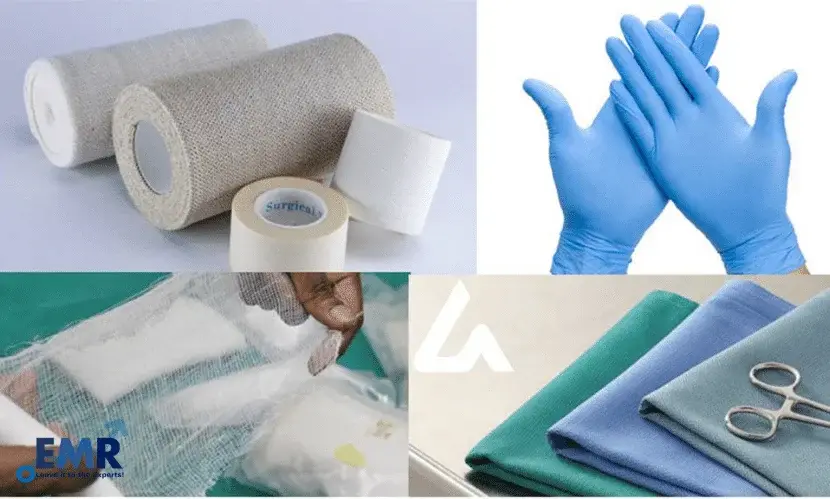
The textile industry is no longer limited to fashion and apparel. Technical textiles have opened new doors in sectors such as healthcare, automotive, construction, defense, sports, and agriculture. In this fast-growing segment, the role of a textile technologist has become more important than ever. With advanced materials and performance-based fabrics in demand, professionals are finding exciting opportunities in every Technical Textile Job segment.
Understanding Technical Textiles
Technical textiles are specially designed fabrics made for functional purposes rather than appearance. These textiles focus on durability, strength, protection, filtration, insulation, and performance.
Examples include:
Medical textiles like surgical gowns and masks
Automotive seat fabrics and airbags
Geotextiles used in road construction
Protective clothing for industrial workers
This growing demand has created a wide range of textile job opportunities for skilled professionals.
Role of a Textile Technologist in Technical Textiles
A textile technologist plays a key role in developing, testing, and improving technical fabrics. Their responsibilities go beyond traditional textile production and include:
Research and development of performance fabrics
Testing material strength and durability
Ensuring compliance with industry standards
Improving production processes
Coordinating with engineers and production teams
In a Technical Textile Job, precision and technical knowledge are essential. A textile technologist must understand fiber properties, chemical treatments, finishing techniques, and modern manufacturing systems.
Emerging Career Options
Technical textiles have created new career paths that were not common earlier. Some emerging roles include:
Product Development Technologist
Quality Assurance Manager
R&D Specialist
Process Improvement Executive
Technical Sales Executive for industrial fabrics
These positions offer stable and long-term growth. Many companies now prefer hiring skilled professionals for specialized textile job roles in medical, automotive, and infrastructure sectors.
Difference from Traditional Textile Roles
Unlike textile designer jobs, which focus mainly on creativity and aesthetics, the role of a textile technologist in technical textiles is more performance-driven. While designers create patterns and styles, technologists ensure the fabric performs according to required standards.
Both roles are important in the textile industry, but technical textiles demand deeper scientific and process knowledge.
Skills Required
To succeed in this field, a textile technologist should have:
Strong knowledge of fiber science and fabric construction
Understanding of testing standards and quality control
Problem-solving ability
Familiarity with modern machinery
Good communication and teamwork skills
Continuous learning is important because technical textiles are constantly evolving with new materials and applications.
Future Scope and Growth
The demand for Technical Textile Job roles is increasing worldwide due to infrastructure development, healthcare expansion, and industrial growth. Governments are also supporting the technical textile sector through various initiatives.
For anyone seeking a stable and progressive textile job, this field offers promising opportunities. With the right qualifications and practical experience, a textile technologist can build a rewarding career in both India and international markets.


No comments:
Post a Comment